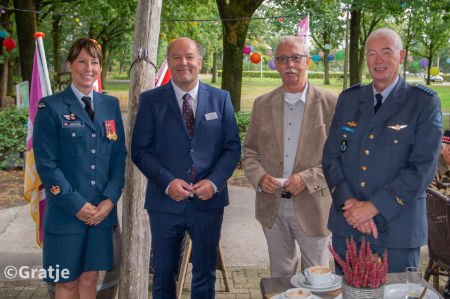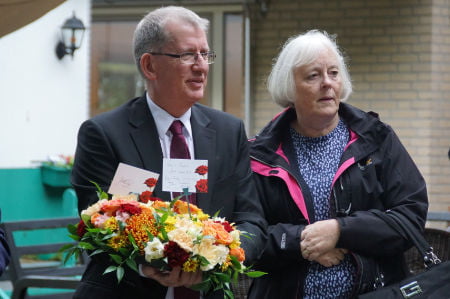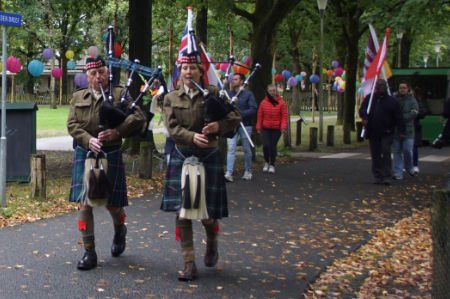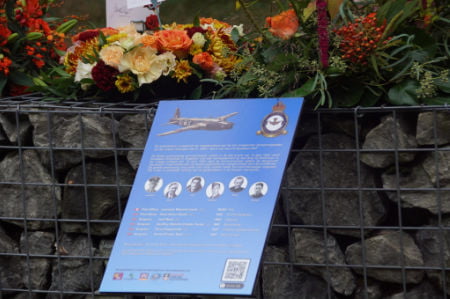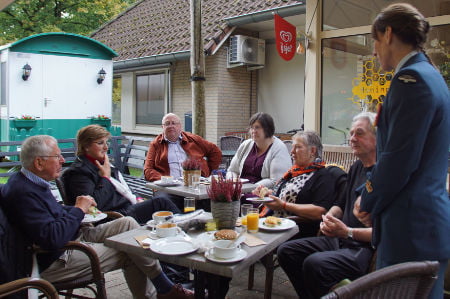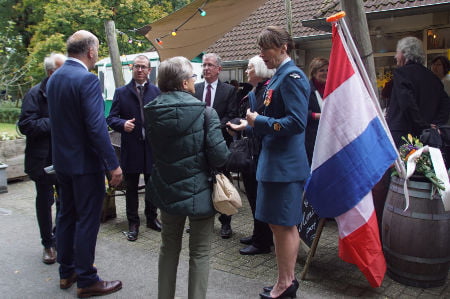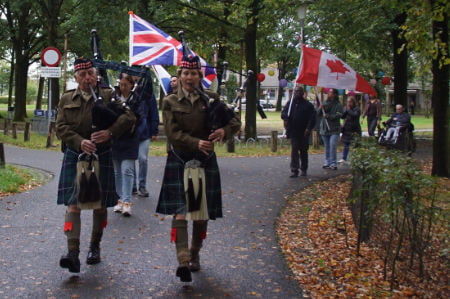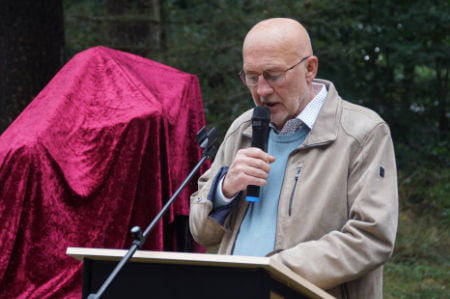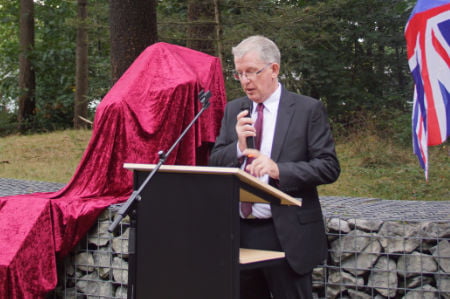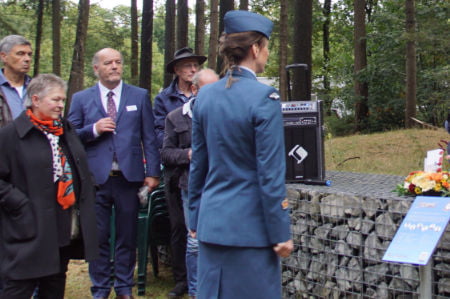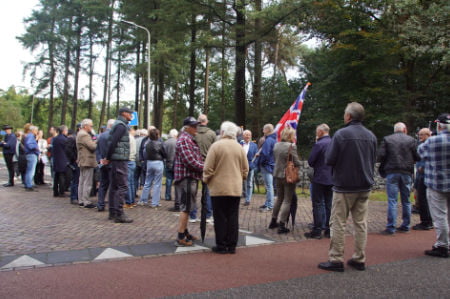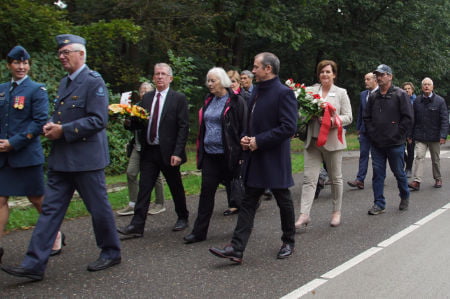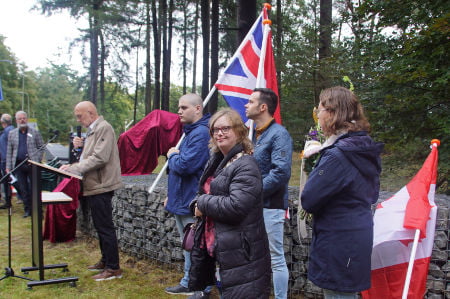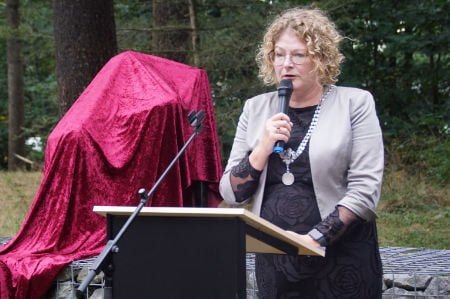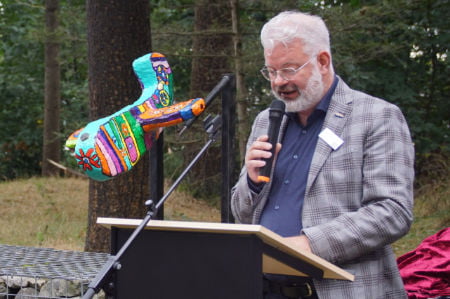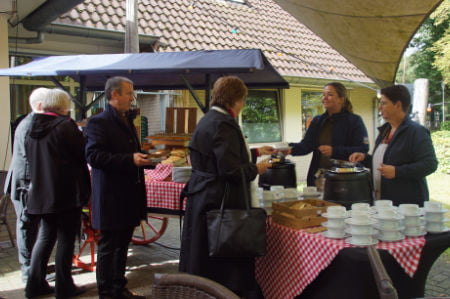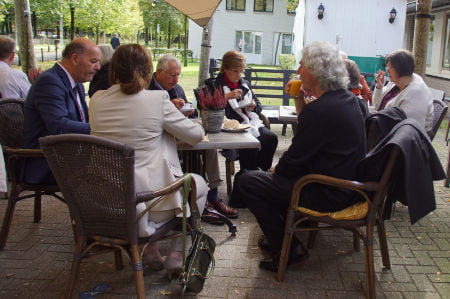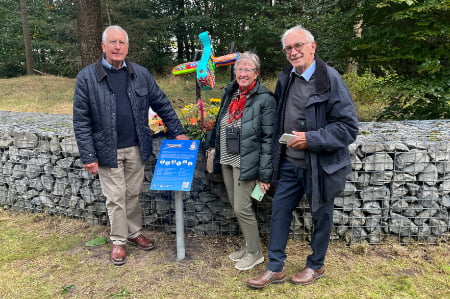


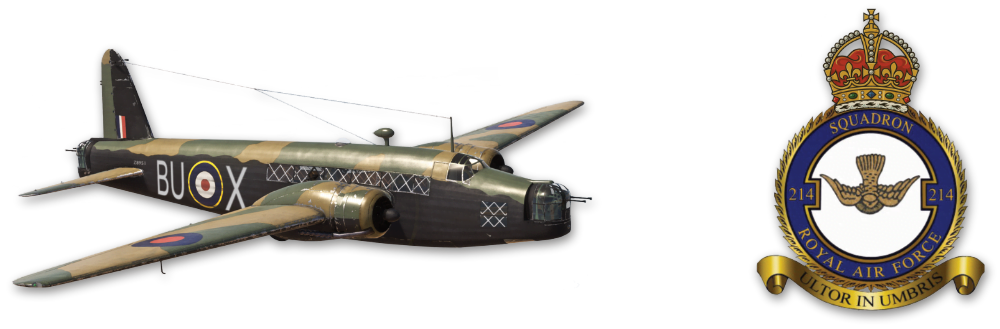
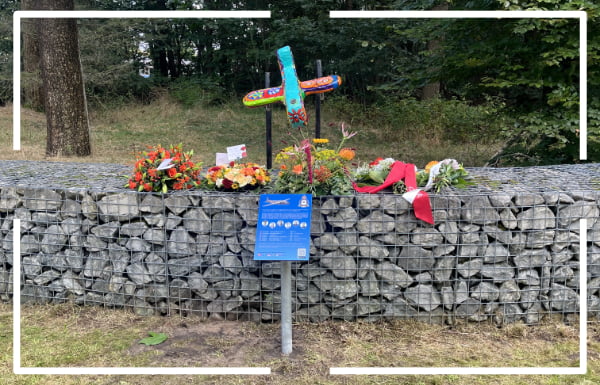
A memorial in memory of the six perished crew members of the Vickers Wellington Mk IC, Z8951, BU-X of 214 Squadron RAF, was unveiled at the main entrance of ORO foundation, on Helmondseweg in Deurne, on 26 September 2024.
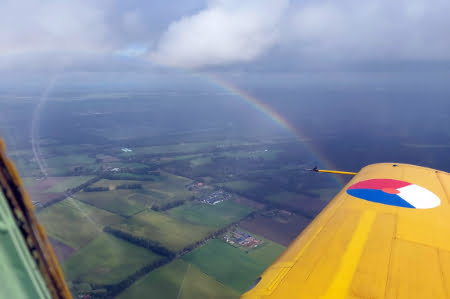
The British twin-engine bomber took off from home base Stradishall in England in the late evening of 15 April 1942 for a bombing raid on a target near Dortmund. In the early morning of 16 April 1942, on the return flight, the bomber was ‘caught’ in a beam of German searchlights and shot down by anti-aircraft fire. The entire crew died for our freedom after their bomber crashed in the woods about 165 metres west of this memorial.
⬇︎ Click on a crew member’s photo to view his personal memorial page with additional information
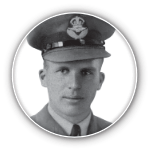
Lawrence
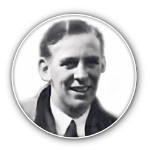
Harry
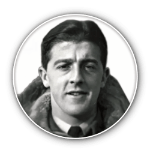
Jack
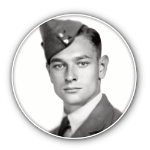
Geoffrey
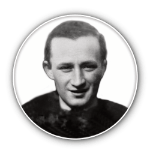
Percy
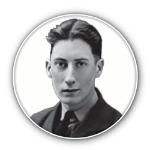
Vernon
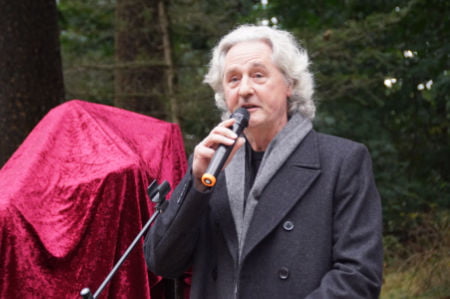
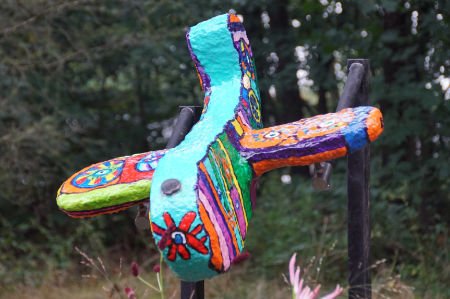
The memorial, which is shaped like an aeroplane, was designed and made by clients of Art’ORO, which is part of the ORO Foundation, which stands for Othmarus Rijtven Organisation. This foundation is a care provider that specialises in the care, support and guidance of people of all ages with intellectual and developmental disabilities.
Here we gather to reflect on the past, a past that still touches us, inspires us and reminds us how precious freedom is. In this place, where care, support and compassion are now central, we remember the fight for freedom, the sacrifices made for it, and the lives that were lost.
Although Het Rijtven, as we know it today, did not exist during the war as the community it is today, it carries a special story. During World War II, here as in so many other places, people with intellectual disabilities were dehumanised, deported and in many cases subjected to cruel medical experiments. Their lives were seen as less valuable (Untermenschen) and they became victims of a horrific regime that did not spare the most vulnerable. This artwork and plaque honour not only those who fought for our freedom, but also the many people who were wronged because of their vulnerability.
However people with a mental disability or mental illness were not deliberately murdered during World War II in the Netherlands, many persons in the disability and mental health care sector died during World War II. Mainly due to lack of staff, food, lack of space and neglect because they were seen as inferior Untermenschen (subhumans) by the German occupiers. Even before the outbreak of World War II, hundreds of thousands of people living in institutions in Germany were compulsorily sterilised and even murdered in gas chambers or by deliberate starvation during World War II.
The artwork is more than a symbol. It is a creation of studio Art’ORO, in which many artists have put their hearts and souls. Each part tells a story, intertwined with the history of this place and the people who made it. What makes this artwork so special is the cockpit light incorporated into the ‘plane’, a light found nearby. The light comes from the plane that crashed during the war. It is a tangible reminder of the tragedy of that time, but also of the hope and freedom that was fought for. The plane symbolises the journey that many were never able to complete, and the light in the cockpit reminds us of their courage and sacrifice.
Here, we honour not only the heroes who fought with weapons, but also those who became victims of war without any protection, due to their vulnerability. This artwork is a tribute to them all, to those who gave their lives for our freedom, and to those who never got to experience that same freedom.
As we see this beautiful artwork and plaque, let us remember why we are here: to remember, to appreciate what we have, and to continue to strive for a world where every human being, regardless of their vulnerability, can live in freedom.
Video impression
Photo impression